Food Additives
Regulatory-aligned, high-purity ingredients for beverages, confectionery, dairy, bakery, processed foods, and selected pharma-adjacent uses (where permitted).
Overview
Food Additives
Heritage Power supplies specification-grade food additives sourced from certified producers to deliver reliable taste, stability, and shelf-life performance. Our portfolio focuses on Citric Acid (Anhydrous & Monohydrate), Sodium Benzoate, and Saccharin—each supported by rigorous QA, traceability, and full documentation (COA/SDS/testing) on request.
We help you align functionality (acidulation, pH control, preservation, emulsification, sweetness) with regulatory needs and plant realities (solubility, handling, process temperatures, dry-mix compatibility) so your formulations scale cleanly from pilot to production.
Key Advantages
Food-grade materials aligned to target-market rules, backed by batch traceability and documentation for audits and label claims.
Acidulation, pH adjustment, buffering, preservation, and high-intensity sweetness—clear guidance on where each ingredient excels.
Proven performance across liquid, semi-solid, and dry systems: carbonated beverages, syrups, jams, dairy, baked goods, confectionery, and more.
Vetted origins, predictable lead times, lane-specific logistics, and complete export/shipping paperwork with COA/SDS/test reports.
Citric Acid (Anhydrous)
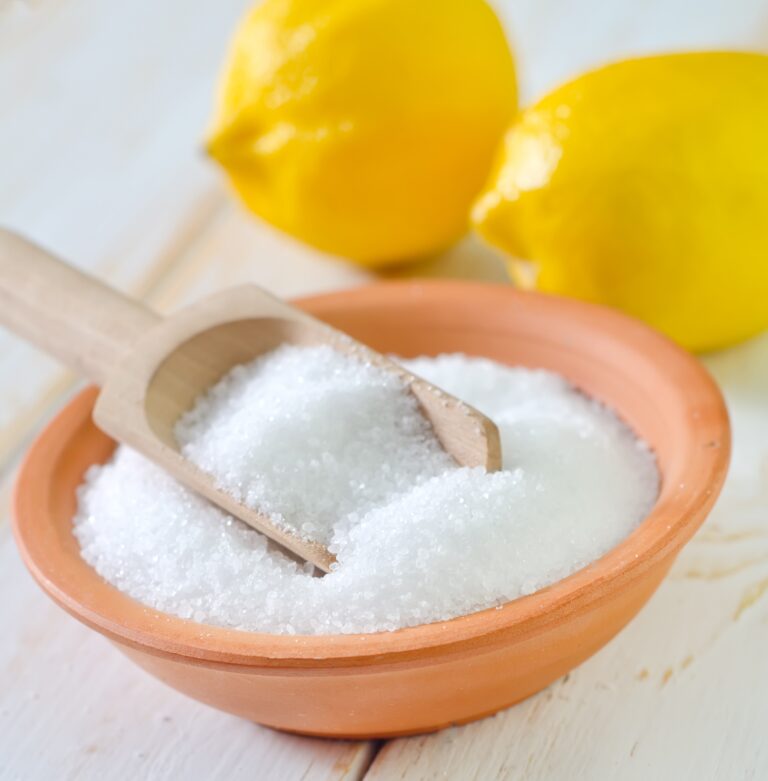
- What it is: A widely used organic acid for acidulation, pH control, buffering, and antioxidant support. Its anhydrous (water-free) form is dry-stable and highly compatible with food systems.
- Functional roles
Adjusts/stabilizes acidity for flavor and microbial robustness
Acts as a buffer in multi-component systems
Contributes antioxidant benefits that help protect flavor and color
- Typical applications
Beverages: soft drinks, fruit beverages, flavored waters (controlled tartness)
Sauces & Condiments: taste rounding, freshness cues, stability in acidic systems
Jams, Jellies & Spreads: supports gel formation (pectin) and shelf life
Processed Foods: preservation strategies and sensory balance
Pharma/Personal Care (as specified): excipient/stabilizer roles in syrups and selected preparations
- Formulation notes
Ideal for dry blends and powder premixes; synergizes with preservatives by lowering pH into effective ranges. Pilot work is recommended to balance perceived sourness with sweetener systems.
Citric Acid (Monohydrate)
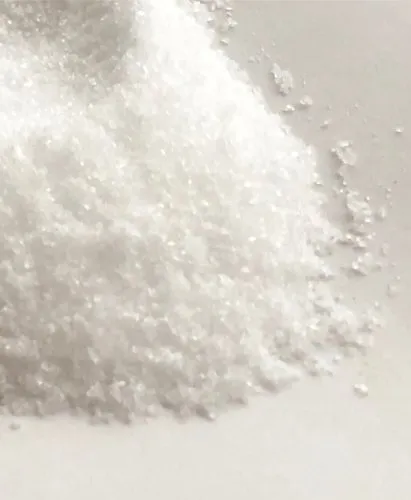
- What it is: A highly water-soluble acidulant used for flavor enhancement, preservation, pH adjustment, and emulsification in certain matrices.
- Functional roles
Rapid dissolution in beverage syrups and RTD lines
Helps stabilize emulsions and dispersion in dairy and frozen desserts
Clean, bright acidity that integrates well with fruit profiles
- Typical applications
Soft Drinks & Syrups: tartness control and flavor balancing
Ice Cream & Dairy: stabilizer/emulsifier contributions in complex matrices
Jams & Preserves: gel support and shelf-life extension
Pharma Syrups: buffering and flavoring agent
- Formulation notes
Best where fast dispersion is required. Choose grade/particle size for dissolution targets and filtration setups; coordinate with sweetener systems to avoid over-acidulation.
Sodium Benzoate
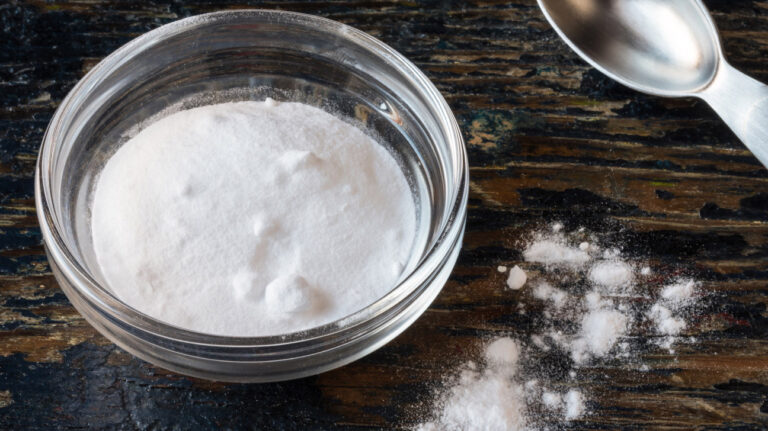
- What it is: A proven food-grade preservative effective in acidic environments; inhibits yeast, bacteria, and fungi to support safety and shelf life.
- Functional roles
Antimicrobial action in low-pH systems (complements citric acid)
Stabilizes sensitive products during distribution and ambient storage
- Typical applications
Carbonated & Still Beverages: control of microbial spoilage and haze in acidic drinks
Fruit Systems: jams, jellies, juices, fillings
Sauces & Condiments: quality retention in ketchup, dressings, pickled goods
Pickles & Acidic Foods: preservation where pH is already in the effective range
- Formulation notes
pH is critical—finish products sufficiently acidic for benzoate efficacy. Validate dosage, contact time, distribution in pilot runs; confirm with micro testing. Document any interactions with flavors/colorants to protect label and sensory outcomes.
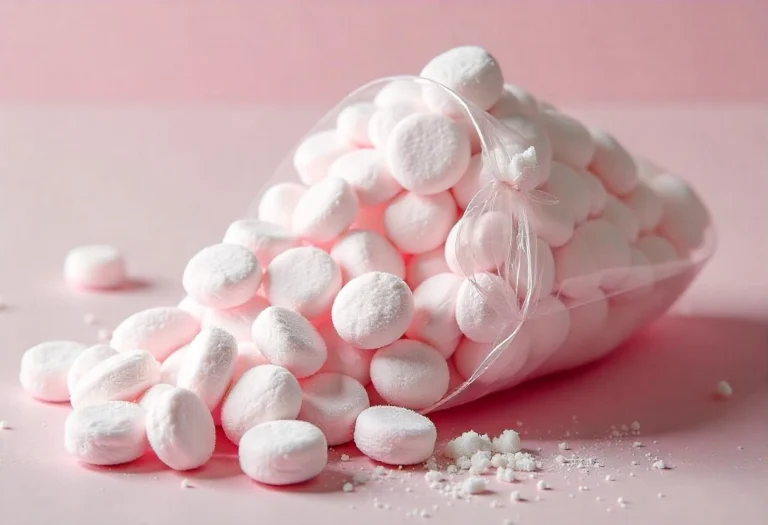
Saccharin
- What it is: A high-intensity, non-nutritive sweetener (~300–500× sucrose) with exceptional stability under heat and in acidic conditions; minimal caloric impact.
- Functional roles
- Strong sweetness for low- or zero-calorie products
Heat-stable for baked goods and thermal processes
Acid-stable in diet beverages and fortified acidic systems
- Typical applications
Soft Drinks: diet and low-cal variants
Baked Goods: retains sweetness through oven temperatures
Oral Care: toothpaste and related uses (non-cariogenic)
Supplements/Pharma: tablets, syrups, lozenges (as permitted)
- Formulation notes
Consider sweetness synergy or masking if used with strong acids; blend with other sweeteners to tune flavor curve and aftertaste. Validate against sucrose to hit target profile.

Custom Sourcing & Alternatives
Need adjacent chemistries or specific grades/packaging? We source to spec and align documentation to target markets and applications.
Industrial Chemicals
Applications by Segment
Beverages
Acidulation, tartness control, preservation, and non-nutritive sweetness for carbonated drinks, juices, concentrates, and flavored waters.
Confectionery & Jams
Gel support, flavor balance, and shelf-life stability for jams, jellies, gummy systems, and fruit preparations.
Dairy & Frozen
Stabilization/emulsification in ice cream, dairy desserts, and cultured products.
Processed Foods & Sauces
pH control and microbial stability in sauces, condiments, pickled goods, and ready-to-use flavor systems.
Pharma/Nutraceutical & Personal Care
Excipients/stabilizers/sweetness where allowed; confirm regional regulations and grade suitability before use.
Specifications & Logistics
Specifications
We quote product-specific assay/purity, moisture, solubility, pH range, and typical particle size distributions (for citric acids), preservative efficacy vs. target pH (sodium benzoate), and sweetness intensity & thermal/acid stability (saccharin). Every lot ships with COA/SDS and relevant test results on request, with batch traceability maintained throughout the supply chain. Where your QA requires additional data (e.g., allergen, GMO, halal/kosher), we coordinate with producers.
Logistics & Documentation
- Packaging: usually bags/drums (varies by product/origin).
- Incoterms & Lead Time: quoted per lane and shipment window, reflecting production slots and vessel schedules.
- Documentation: COA, SDS, test reports, and standard export/shipping documents are available with each shipment.
Request a Quote
Tell us your product, grade/spec, volumes and destination — we’ll reply with availability and pricing.
Learn More From
Frequently Asked Questions
Use Anhydrous for dry, stable acidulant needs in powder blends; choose Monohydrate for high water-solubility and fast dispersion in beverages, syrups, jams, and dairy systems
Most effective in acidic formulations; it inhibits yeast, bacteria, and fungi in soft drinks, fruit preparations, sauces, pickles, and other low-pH systems.
Yes. Saccharin remains stable under heat and acidic conditions, making it suitable for baked goods, diet beverages, oral-care products, and selected pharma/nutraceutical formats.
We supply COA, SDS, and test reports with batch traceability. Packaging typically includes bags/drums (varies by origin and grade). MOQs depend on the product and lane—share your spec, volume, destination, and docs to confirm availability and terms.